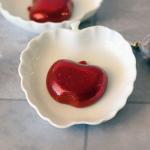
Caramel Apple Caramels
Super concentrated spiced apple cider turns this creamy, chewy caramel into a cinnamon‑laced echo of a classic caramel apple.
Servings 50
Calories 47kcal
Equipment
- 8x8 inch pan
- As an Amazon Associate I earn from qualifying purchases.kitchen scale
- measuring spoons
- small saucepan
- small bowl/pitcher
- medium saucepan
- As an Amazon Associate I earn from qualifying purchases.candy thermometer
Ingredients
- 300 ml spiced apple cider
- 240 g heavy cream
- 28 g unsalted butter
- 10 ml vanilla bean paste
- 240 g sugar
- 120 ml water
- 60 ml light corn syrup
- ½ tsp vanilla salt
Instructions
- Line an 8x8 inch pan with non-stick foil or parchment paper.
- In a small saucepan, reduce the apple cider to 24-30ml - it will be a dark, syrupy consistency providing super concentrated flavor300 ml spiced apple cider
- While it is reducing, combine the heavy cream, butter and vanilla bean paste, set aside240 g heavy cream, 28 g unsalted butter, 10 ml vanilla bean paste
- In a medium saucepan, combine the sugar, water, corn syrup and salt. Heat over medium heat, swirling the pan occasionally until it is a rich amber color.240 g sugar, 120 ml water, 60 ml light corn syrup, 1/2 tsp vanilla salt
- Remove from the heat and immediately add cream mixture and the reduced apple cider - stir to combine (the mixture may bubble furiously and rise in the pan and temperature will drop significantly).
- Return to the heat and cook, stirring frequently, until it reaches 255°-258°F. Remove from the heat and pour immediately into your prepared pan. Allow the caramel to set over night at cool room temperature before cutting into 1" squares and wrapping.
Notes
- Shaping the caramels: If you’d like to mold the caramels, pipe the hot mixture into small silicone molds (I used 1‑inch apple‑shaped cavities). The caramel is extremely hot, so wrap your piping bag in a folded paper towel for insulation. Let the caramels set overnight, then unmold and wrap individually. If they don’t release easily, freeze the mold for about 20 minutes before unmolding.
- Tinting the caramel: To give the caramels a soft red hue, add 4–6 drops of an oil‑based red food coloring immediately after removing the caramel from the heat, just before pouring into the pan or piping into molds.
- Why the cooking temperature is higher: This caramel cooks to a slightly higher temperature than classic soft caramels to account for the extra moisture and sugar from the cider reduction. Even though it’s only about 2 tablespoons, it meaningfully shifts the caramel’s structure. If cooked to the traditional 245°–250°F, the candies will still taste wonderful but will be softer and may flatten slightly when stored at room temperature.
Nutrition
Serving: 1piece | Calories: 47kcal | Carbohydrates: 7g | Protein: 0.1g | Fat: 2g | Saturated Fat: 1g | Polyunsaturated Fat: 0.1g | Monounsaturated Fat: 1g | Trans Fat: 0.02g | Cholesterol: 7mg | Sodium: 26mg | Potassium: 11mg | Fiber: 0.01g | Sugar: 7g | Vitamin A: 85IU | Vitamin C: 0.1mg | Calcium: 4mg | Iron: 0.01mg